-
15
Oct
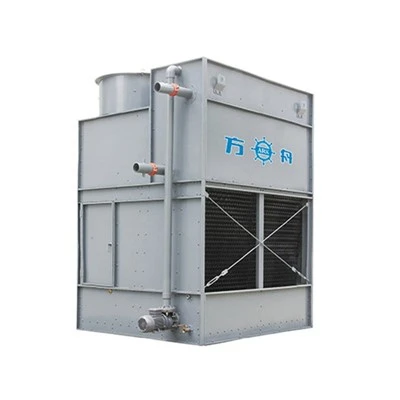 Petrochemical Cooling Tower Revamping: Key Challenges & Engineering Solutions
A successful cooling tower revamp begins with a thorough engineering assessment, not simply the replacement of aging components. In petrochemical plan
-
14
Oct
 Beat the summer heat & protect your cooling tower performance
Beat the summer heat & protect your cooling tower performance Summer heat & high humidity put extra strain on cooling towers. Small issues lik
-
28
Sep
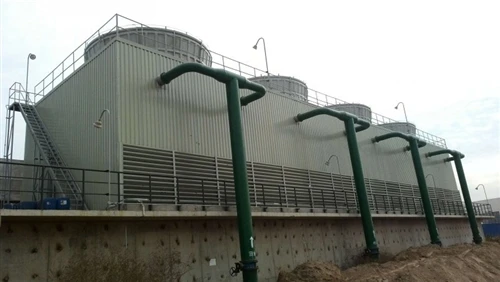 How Does a Refinery Process Cooling System Work?
A refinery is essentially a continuous heat management system . From crude oil processing to final product cooling, large amounts of heat must be cont
-
23
Sep
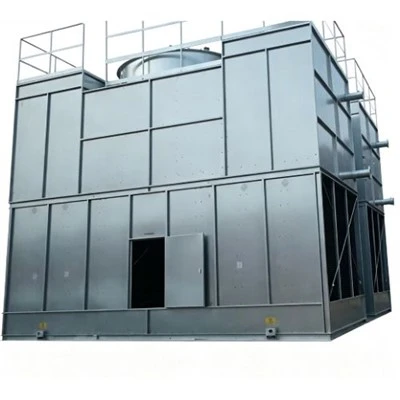 What Is The Adiabatic Cooling ?
adiabatic fluid cooler operate like dry cooling systems, except they have water running over pre-cooling pads. as air is drawn through the pads depres
-
15
Sep
 What’s at Stake for Data Centers
In data centers, cooling decisions affect uptime, operating costs, and stability for years to come.system. Uptime Risk Weak thermal management can dis
-
24
Jul
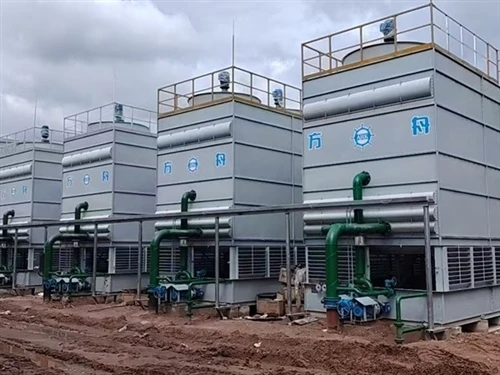 Dry-Wet Integrated Closed Cooling Tower Project: Great Progress on Our Key In...
Our brand Jiangxi ARK dry-wet integrated closed cooling tower project for the coal chemical industry is currently in the final installation phase and
-
22
Jul
 Successful Completion of a New Aluminum-Silicon Cooling Tower Installation Pr...
We are pleased to announce the successful full installation and commissioning of another new aluminum-silicon cooling tower project, marking another s
-
20
Mar
 Cooling Tower Duct Manufacturing Specifications
The cooling duct is typically made of fiberglass reinforced plastic (FRP) due to its corrosion resistance, high temperature resistance, high strength,
-
19
Mar
 Key Considerations for Selecting Cooling Tower Louvers
Ensure the louver model and size match the cooling tower to guarantee its normal operation and heat dissipation effect.
-
18
Mar
 Components of a Cooling Tower Louver
The frame is the supporting structure of the louver, usually made of high-quality steel or aluminum alloy, featuring high strength, corrosion resistan
-
17
Mar
 Plate Heat Exchanger Routine Maintenance Tips to Extend Equipment Lifespan
Clean the heat exchanger plates every 3-12 months, depending on the scaling condition of the medium.
-
16
Mar
 Plate Heat Exchanger Cleaning Process
Isolate the equipment system and drain all water from the heat exchanger.

 Language
- English
- Français
- Deutsch
- 日本語
- Italiano
- Español
- Português
- русский
- suomi
- Čeština
- عربي
- 한국어
- Català
- Indonesia
- Melayu
- Latviešu
- slovenčina
- Việt Nam
- íslenska
- اردو
- Svenska
- Lietuvių
- ไทย
- Norsk
- Gaeilgenah Éireann
- dansk
- O'zbek
- România limbi
- বাংলা
- Nederlands
- hrvatski
- Srbija jezik (latinica)
- Polski
- فارسی
- Bai Miaowen
- עברית
- Ελληνικά
- magyar
- bosanski
- Kreyòl Ayisyen
- हिंदी
- Türkçe
- українська
- slovenščina
- Eesti
- Malti
- Български
- Cymraeg
